Problem addressed
Many rural households have little access to risk information, safe evacuation plans or basic emergency skills, and official warnings often fail to reach remote households or arrive without clear guidance on what to do. This increases losses when disasters and emergencies occur.
Activities
- Village risk and resource mapping with community members
- Local hazard monitoring with trained community volunteers
- Community-based early warning: communication trees, simple warning signals and evacuation routes
- First aid, evacuation and shelter management training
- Family emergency plans and preparedness awareness
- Formation of village disaster response volunteer teams
- Coordination with local government and relevant authorities
- Mock drills with schools and community groups, and regular system review
Community and beneficiaries
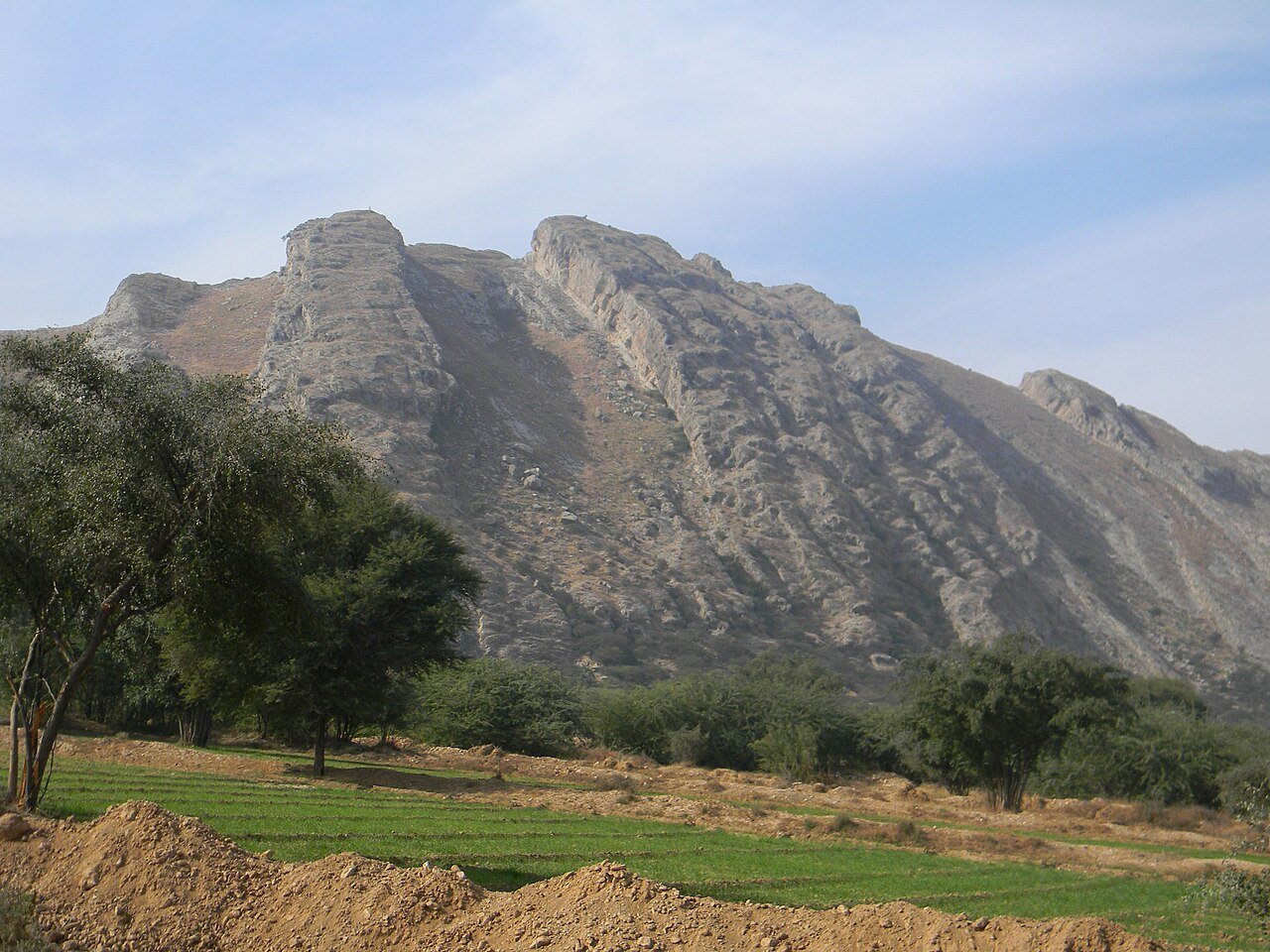
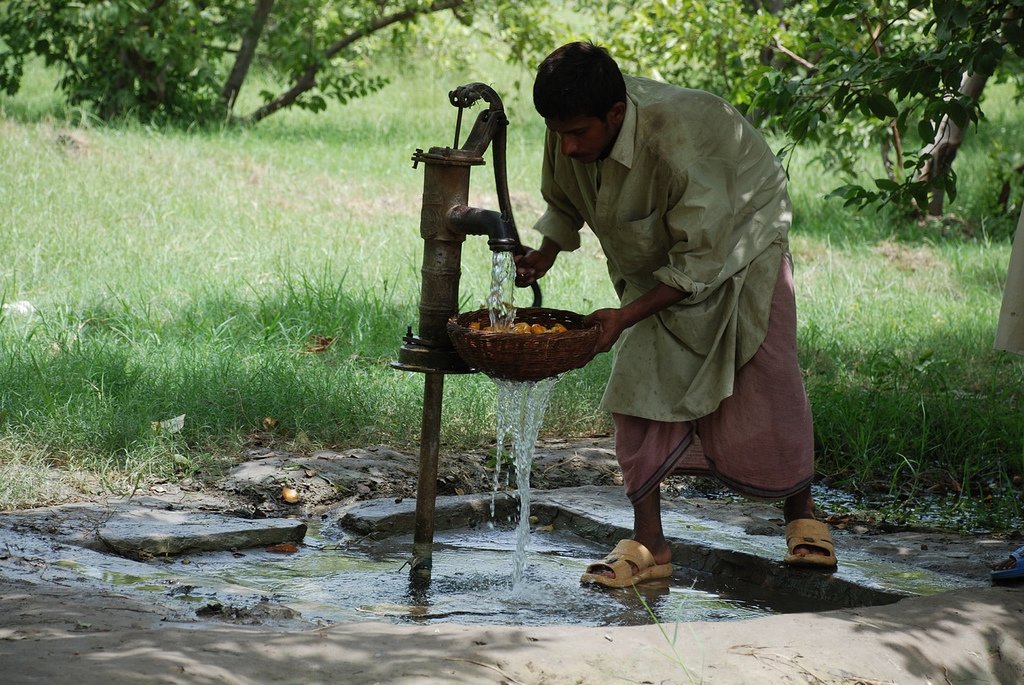
Households, schools and community volunteers in disaster-prone villages and communities exposed to floods, flash floods and extreme weather, with a focus on women, children, elders and persons with disabilities.
Results and impact
Results, photos and lessons learned will be published here once implementation begins.